Why Leaders Need to Rethink Hiring
Hiring the wrong person is one of the most expensive mistakes a company can make. Yet, many leaders don’t realize the full impact until it’s too late.
I have been spending five years in global recruitment, and I’ve learned that hiring is never just about filling a role: it’s about finding the right person to drive success.
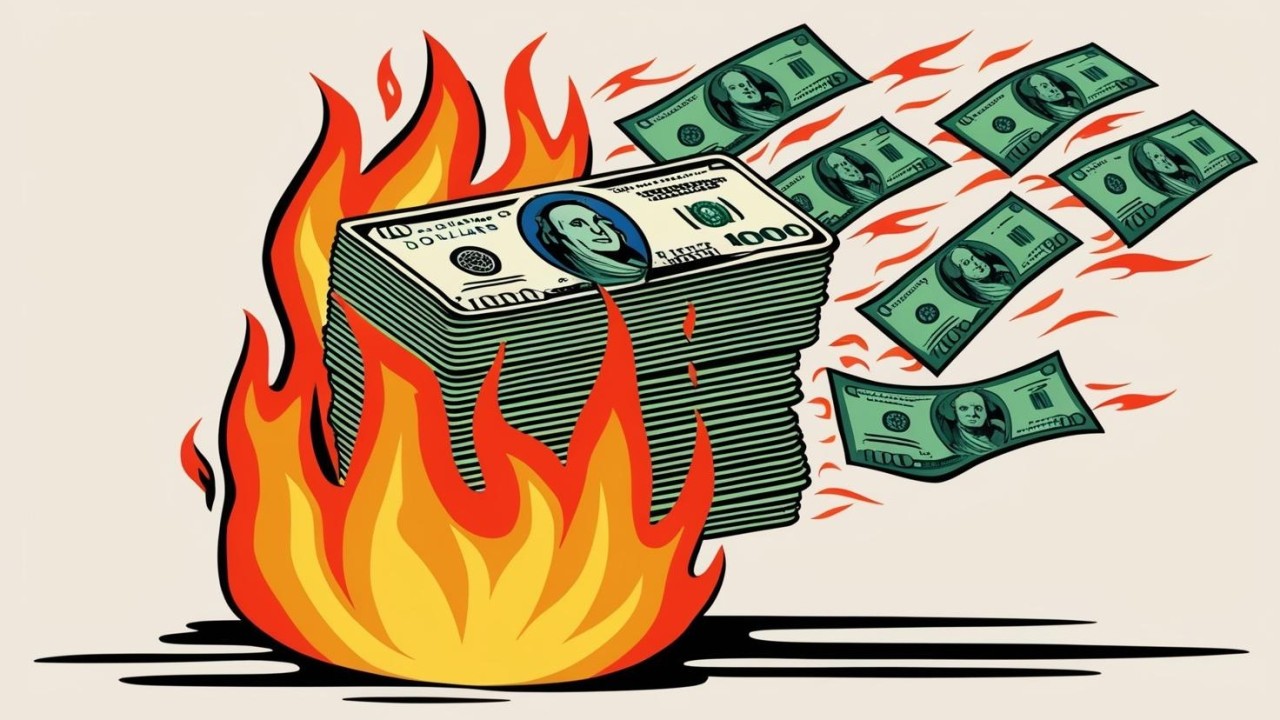
A bad hire can cost up to 150% of their annual salary when you factor in recruitment, onboarding, lost productivity, and disruption.
Over 80%of turnover is due to poor hiring decisions, not employee performance.
Many hiring processes rely too much on gut feeling, ignoring structured methods that lead to better hires.
This article breaks down:
- The hidden financial costs of a bad hire.
- Why traditional hiring methods fail.
- How leaders can improve their recruitment strategy to hire the right people the first time.
1. The Real Cost of a Bad Hire: It’s More Than Just Salary
Lost Productivity
A struggling employee takes longer to complete tasks, makes more mistakes, and forces managers to spend extra time coaching or correcting errors.
Solution: Set clear performance metrics within the first 60-90 days to measure impact early.
Turnover Costs
Hiring, onboarding, and training a new employee can cost 30-150% of their salary.
Example: If a mid-level employee earns CHF 100,000, replacing them could cost CHF 50,000 – 150,000 when factoring in recruiter fees, training time, and lost output.
Solution: Invest in more substantial interview processes and better candidate assessment.
Cultural & Team Disruption
A bad cultural fit can cause low morale, employee disengagement, and even higher turnover among top performers.
Solution: Hire for team fit, not just skills. A great candidate aligns with company values and works well with existing teams.
2. Why Traditional Hiring Fails Upper Management Leaders
Problem: Too Much Gut Feeling, Not Enough Structure
Many leaders rely on first impressions and general conversations instead of structured interviews and competency tests.
Solution: Use standardized interview questions to assess problem-solving skills, communication, and alignment with company culture. If someone on your team has a psychology background, it is even better for the assessment (e.g., person-fit tasks).
Problem: Hiring for Resume, Not Fit
A candidate can have perfect experience but fail in your company due to different work styles, leadership dynamics, or poor adaptability.
Solution: Use real-world job simulations and behavioral assessments to test their fit before making an offer.
Problem: Rushing the Process
CEOs often feel urgency to fill a role, leading to hiring the first “good enough” candidate instead of the best long-term fit.
Solution: Have a clear hiring scorecard that forces structured evaluation before deciding.
3. The Playbook: How to Hire Smarter & Reduce Bad Hires
Define the Role Beyond Just a Job Description
- What problem will this person solve?
- What qualities will make them successful in your company?
- What behaviors will indicate a great fit?
Use Structured Hiring Methods
- Standardized interview questions ensure consistency across candidates.
- Work samples & real-world simulations test actual skills, not just what’s on a resume.
- Panel interviews provide multiple perspectives before hiring.
Assess Fit Beyond Experience
- Culture fit matters – does the candidate align with your leadership style, team dynamics, and long-term vision?
- Soft skills are key – hiring a brilliant person with poor communication hurts collaboration.
Conclusion: A Better Hiring Process Saves Leaders Money & Time
After five years in global recruitment, I’ve seen how a great hiring process transforms businesses, and how hiring the wrong person drains resources, time, and morale.
A bad hire isn’t just a mistake: it’s a business risk.
A structured, strategic hiring process prevents this.
What’s been your biggest hiring challenge? Send me a DM for us to discuss!